
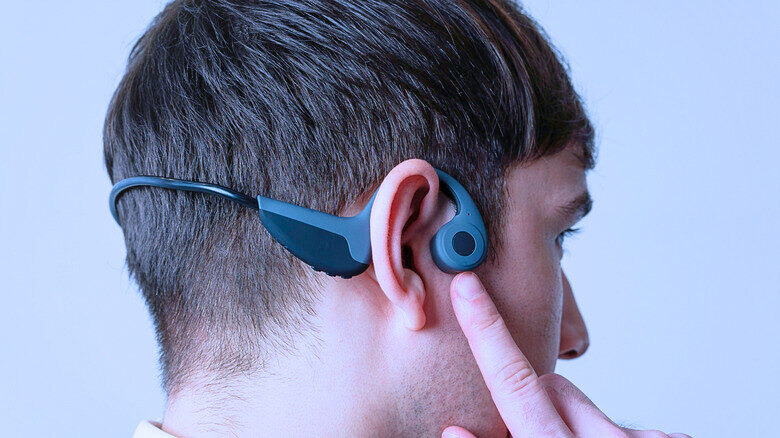
The best bone conduction headphones are becoming increasingly popular due to the special technology that allows you to make calls or listen to music without losing awareness of your surroundings. This bypasses the eardrum and sends sound waves to the bones of the skull, which vibrate directly to the inner ear. These headphones have many benefits, but they also carry some health risks.
In this article, we will examine the risks associated with bone conduction headphones, including discomfort, damage to your hearing, and possible long-term side effects. To help you decide, we will also answer some commonly asked questions.
What Are Bone Conduction Headphones?
Bone conduction headphones work by sending vibrations that send sound waves directly to the bones of the skull. The vibrations are picked up by the inner ear and converted into sound. Bone conduction headphones are placed on the cheekbones or near their temples, unlike traditional headphones, which cover the ears or are tucked inward.
This design allows the user to hear music or conversations without obstructing external sounds. Bone conduction headphones are often used by people who need to stay alert to their environment, such as runners or cyclists, while still enjoying audio content.
How Do Bone Conduction Headphones Work?
Bone conduction technology uses transducers to convert sound waves into vibrations. These vibrations travel directly through the bones of the skull to the cochlea, rather than through the eardrum. This makes it especially helpful for people with some types of hearing loss, as they can pass directly through damage to the outer or middle ear.
Are Bone Conduction Headphones Dangerous?
Bone conduction devices use transducers to convert sound waves into vibrations. These vibrations reach the cochlea through bone conduction rather than air transmission. This makes them particularly helpful for people with certain types of hearing loss because they can avoid damage to the outer or middle ear.
Short answer: No, bone conduction headphones are not dangerous to use when used correctly. However, they can, of course, be harmful if used improperly or for long periods of time.
-
Risk of Hearing Damage
People who use bone conduction headphones don’t actually hear sound coming from the bones at all. Unlike traditional earphones, which play sound in a way that makes it reach your eardrums, bone conduction headphones bypass this path and send vibrations directly to the inner ear. While the design prevents damage to the eardrums, hearing loss can occur if the sound is too loud.
Listening at high volumes for long periods of time can tire your cochlear hair cells and cause hearing loss. This is similar to the long-term damage caused by loud noises from standard headphones.
-
Potential for Discomfort
Some people also complain of pain when using bone conduction headphones for long periods of time. The vibrations have been known to put pressure on the skull or jawbone, which can cause pain and lead to headaches. “Ultimately, if the headphones are causing you any discomfort, you should take a break or consider adjusting the fit,” he says.
-
Risk of Bone or Skull Damage
It’s doubtful, but prolonged use of bone conduction headphones can damage your bones if they are too tight. Long-term pressure can cause pain or loss of bone density and in some cases, even minor injuries, although this is very rare.
-
Environmental Factors
Bone conduction headphones are open design, so users can listen to the environmental sound, although this is mostly an advantage. But this could be a hazard in loud environments where ambient noise (like, say, traffic or sirens) is distracting. For instance, a runner or biker may not hear an oncoming car or person and cause an accident.
Pros and Cons of Bone Conduction Headphones
Pros:
- Great for listening and keeping noise out: Users can hear surrounding noise while listening to music, great for outdoor activities like running or cycling.
- Comfort: Since they don’t go in the ears, they can be more comfortable for long-term listening sessions.
- Hearing protection: Good for those with hearing loss, as it bypasses the eardrum.
Cons:
- Sound Quality: The sound quality may not be as rich as traditional headphones, particularly when it comes to bass frequencies.
- Battery Life: Some bone conduction headphones may have a shorter battery life compared to traditional models.
- Potential Hearing Risk: Like all audio devices, excessive volume or prolonged use can lead to hearing damage.
FAQS:
1. Can bone conduction headphones cause hearing loss?
Yes, just like regular headphones, bone conduction headphones can cause hearing loss if used at high volumes for extended periods. It is important to use them responsibly and keep the volume at a safe level.
2. Are bone conduction earphones harmful?
Bone conduction earphones are generally not harmful when used correctly, but like any audio device, they can pose certain risks if misused.
3. Do bone conduction headphones work with glasses?
Yes, bone conduction headphones can be used with glasses, as they are placed over or in the ear. The headphones sit on the cheekbones, meaning they won’t interfere with the fit or comfort of your glasses.
4. Are bone conduction headphones waterproof?
Many bone conduction headphones these days are water-resistant or waterproof, so this can be an option for activities like swimming in the rain or jogging, or even cycling in the rain. But be sure to review the specifications of whatever model you use.
5. Can bone conduction headphones be used for calls?
Yes, most bone conduction headphones come with built-in microphones, allowing users to make and receive calls while keeping their ears open to the surrounding environment.
Conclusion
Bone conduction headphones are safe, as long as the volume is not too loud. They are a great alternative to other headphones, especially if you need to be aware of your surroundings or have specific hearing needs. However, like any sound solution, they can pose risks such as hearing loss if used incorrectly or at high volumes for long periods of time.
How to choose your fit and features. When choosing bone conduction headphones, you need to consider fit, comfort, and sound quality. However, you should always use them at moderate volumes to avoid damaging your hearing. By following these simple measures, you can use bone conduction technology without risking your health.