
The Importance of Restarting Your WiFi Router
In today’s connected world, having a reliable high-speed internet connection is essential. Whether you work from home, play games, stream online, or are just looking for some fast and reliable WiFi, a beach island connection is essential to your digital experience. But issues like slow speeds, frequent disconnections, and other network-related issues are quite common with these connections. The easiest and most effective solution to these and many other problems is to restart your router.
This guide will show you step-by-step how to restart a WiFi router for faster internet speeds, why it helps, and how to do it, as well as some tips for getting the most out of your network. When you finally get to the end, you should be ready to power cycle your WiFi router and do whatever you need to do to enjoy better internet.
Why Restarting a WiFi Router Can Improve Your Internet Speed?
Before diving into the process, let’s understand why restarting your WiFi router can help improve internet speed.
1. Clearing Cache and Temporary Data
WiFi routers cache data as temporary storage so that devices connected to the router can respond quickly when they request information. The situation is even worse because the cached data will accumulate on the router and create clutter, which will slow down performance. This way you will clear this cache and it will treat the new connection as a new connection.
2. Fixing Overloaded Networks
When your network is overloaded with devices, the router may experience overload. A complete restart of the router can temporarily relieve network congestion as it refreshes the devices connected to it and prioritizes the available bandwidth.
3. Resetting Router Firmware
Router firmware (the software that controls your router) occasionally runs into bugs or glitches, which can impact your internet speed. A restart allows the firmware to reload, which can resolve performance issues caused by software bugs.
4. Assigning New IP Address
When you reboot, the router disconnects from your Internet Service Provider (ISP), then reconnects and establishes a new connection that is either slow or unreliable. This can help resolve connections. For example, this is helpful if your current IP address is blacklisted or if your problem is resolved.
5. Reconnecting to the ISP’s Best Server
Rebooting the router causes your device to reconnect to the ISP server, which can speed up data transfer. Sometimes, there is a traffic jam in the network path that slows down your internet connection. A new connection can provide a better path.
How to Restart a WiFi Router for Faster Internet Speed: Step-by-Step Guide
Now that we know that resetting your WiFi router can increase internet speed, let’s take a look at the process in more detail. It’s a process that you can accomplish quickly and easily, whether you have a basic home router or something technologically advanced.
Step 1: Disconnect All Devices From the Router
Disconnect all devices from the WiFi. Before rebooting the router, you might want to disconnect any devices that can harm the work of all other gadgets connected to your wireless network. This can be with smartphones, laptops, smart TVs, gaming consoles or any other connected devices. This makes sure no devices are actively consuming the bandwidth while you’re rebooting your router and promotes faster recovery time.
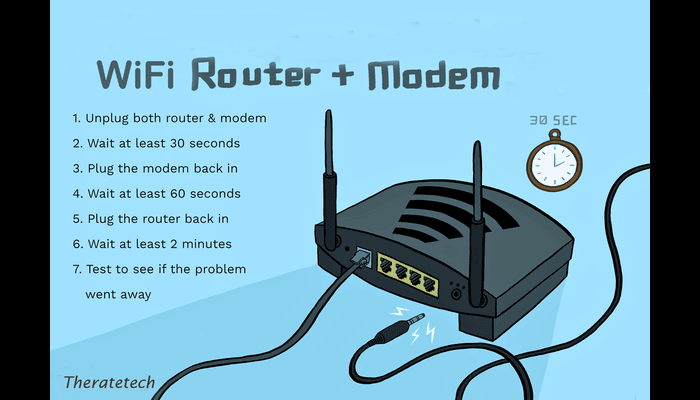
Step 2: Power Off the Router
The most common way to reboot your wireless router is to unplug it and wait a minute or two before plugging it back in. Find the power button on your router. It’s usually on the back or side of the router. Hold the power button down for a few seconds until your router turns off completely. If your router doesn’t have a power button, you can unplug the router’s power cord from the outlet.
Step 3: Wait for 30 Seconds to 1 Minute
Unplug and wait – After turning off the router, you should now press and hold the power button for about 30 seconds to make sure all the power has drained. This will allow the router to reset by explicitly powering off. When this is done, the router will clear its memory and be ready to establish a new connection with your ISP.
Step 4: Power On the Router
After waiting a moment, press the power button again or reconnect the router to your outlet. Let the router’s lights stabilize. The router will then re-connect to your ISP and reinstate all connections; it may take a few minutes.
Step 5: Reconnect Your Devices
Once the router is up and running and its lights are back to normal (using their default color, usually green or blue depending on your model), you may reconnect your devices to the WiFi network. Now you may notice improved speed and better connection.
Additional Tips for Optimizing WiFi Performance After Restarting
While restarting your WiFi router is an effective way to fix many internet speed problems, there are additional actions you can take to optimize your network performance further.
-
Update Router Firmware
Now and then, out-of-date firmware is the culprit for slow speeds. Make sure router has the newest firmware. Visit the router manufacturer’s website or app for any updates, and follow any instructions to update the firmware.
-
Choose the Right WiFi Channel
WiFi routers work on certain channels, and if your router’s channel is a crowded one, it can interfere with other networks and slow down data speeds. You could use a WiFi scanner to find the least crowded channel and change to it.
-
Change Your Router’s Location
Where you put your router can make a big difference to the strength of your WiFi. Do not place it by walls, large metal objects, and electronic appliances which may interfere with the signal. Try positioning the router somewhere in your house that is central for improved coverage.
-
Upgrade Your Router
Older routers won’t be able to utilize the most current WiFi standards (WiFi 5 or WiFi 6) which may not give you optimal speeds. If you’re one of those people and are still using an older model, it may be worth your while to upgrade to a more recent router that can deliver better speeds and newer technology.
-
Secure Your WiFi Network
SSID: Change router’s SSID to a non-recognizable name 2.WiFi Password – make sure it is strong3. Encryption: Enable WPA3 encryption. This will stop unauthorized people from leeching your network and slowing you down.
-
Reduce Interference from Other Devices
Some devices, like cordless phones, microwaves and baby monitors can interrupt your WiFi signal. To minimize interference, try to keep your router away from these types of devices.
-
Restrict the Devices Connected to It
If too many devices are connected to your network, the speed is shared and can be slow for everyone. This is particularly a good option if you are heavy on devices, in which case it’s possible to disconnect some devices or get another router as long as your internet connection can handle the amount.
Common WiFi Router Issues and How to Fix Them
Restarting your router can resolve many common issues, but sometimes the problem lies elsewhere. Here are some common WiFi router problems and how to troubleshoot them:
-
Slow Internet Speeds Despite Restarting
Check Your Internet Plan: In some cases, you’re paying for slow download and upload speeds because your internet provider isn’t giving you enough bandwidth. Check with your ISP to ensure you are subscribed to an adequate plan.
Look for Network Congestion: An overcrowded network can induce congestion. Consider limiting the number of devices you’re using at once, or look into upgrading your internet plan.
-
Router Not Powering On
Test the Power Supply: If your router won’t turn on when you press the power button, make sure it’s plugged into a working outlet and that all cables are connected securely.
Switch to Another Power Outlet: The outlet may be the problem. Test the router with another outlet to verify it’s not an electricity problem.
-
Router Keeps Dropping Connection
Look for Obstructions: Common culprits for interference include walls, floors, and household appliances. Try relocating the router in your home or minimizing possible devices that could impede and block out the signal to make a strong connection.
Look for ISP Problems: If you restart your router and it keeps dropping the connection, try turning it off from its power source and check if your ISP’s/line connection is active. Get in touch with them to see if there are outages in your street.
Conclusion:
Learning how to refresh a wireless router is the easiest yet most effective method of improving internet speed and addressing any connectivity problems. If you follow the advice in this article and practice some foresight about improving your router’s performance, your WiFi network can effortlessly meet your needs.
Keep in mind, restarting your router not only clears temporary hiccups but it can also lend a hand in fixing problems like network saturation, device interference, and outdated firmware. You can also take some extra optimization tips further, including updating firmware, securing your network, and properly positioning your router for an even better WiFi experience.
With an occasional restart and some care, though, you can have faster internet, more stable connections, and a better all-around online experience. So, feel free to reset your WiFi router when you notice performance drops or sluggish connections—it’s even easier and more effective than rebooting your modem.