
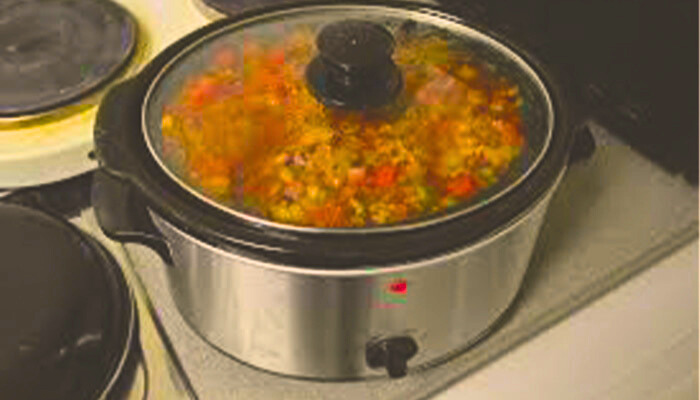
You never have to worry about making bad rice again when you don’t have access to a kitchen, because this is simply the best rice cooker. And it can also be an easy out for preparing complete dishes with little to no effort. While a lot of these could be prepared on the stovetop or in an oven, I wanted dishes that would be convenient—rice cookers can steam things and they can do all that steaming while you cook rice at the same time. This way, you can whip up a quick dinner after a long day or even meal prep on a Sunday afternoon.
From robust stews to a classic jumbo breakfast of pancakes. Many of them require a rice cooker on the cook setting. But if your rice cooker has additional options (modernity!), you can use those for this purpose, too.
Combine rice and contents of Seasoning Packet in a 2-quart rice cooker; mix well. Sprinkle peas and frozen spinach over the top. Add lup cheong and 2 to 3 pinches of salt. Top off with water up to that line; stir. Arrange salmon in a single layer over top of vegetables and rice. Stir in cayenne pepper, thyme and bay leaves. Season very generously with black pepper (10 to 20 grinder cranks) and some salt.
Cover and set to cook. Cook 20 to 25 minutes, or until rice is tender and most of the liquid has been absorbed. Open lid and stir sauce until everything is well mixed. Taste and add more salt if necessary. To serve, spoon rice into individual plates. Cut lup cheong and choy sum into bite-size pieces and serve over rice.
Choosing the Right Rice Type
How a grain of rice cooks up depends on its length and starch. Short-grain varieties like sushi rice have short, fat kernels that become quite sticky when they’re cooked and clump together. Long-grain, meanwhile, have gently shouldered longer, wider grains that cook up loose and separate. That’s part of what makes them so perfect for risottos, and paellas. Medium-grain types, such as Arborio rice, are in between the extremes.
Another factor that can influence how a rice grain cooks up is its amount of bran, the outer part of the rice kernel. Brown rice is higher in bran than white, so it’s nuttier and healthier. But it also cooks slower.
White rice, on the other hand, is less nutritious than brown rice because it has been stripped of its bran and germ — the most nutrient-rich parts of the grain. But it can still be part of a healthy diet if you accompany it with lean proteins, vegetables and healthy fats.
Adjusting the Water To Rice Ratio by Rice Type
Rice is a staple food throughout the world, and for many people it is the foundation of countless cuisines and dishes. The grain itself comes in a seemingly infinite number of types, each imparting distinctive textures and flavors to please a wide range of palates and cooking methods. Regardless of what kind you are cooking, getting the right water-to-rice ratio is key to perfect rice.
To get the right ratio of water to rice, measure out the amount of rice you want to make and rinse it (especially key for brown rice). Rinsing rinses away the surface coating from the grains, which can make them too hard or gummy when cooked. Then drain the rice and cover with boiling water just to barely submerge it. You can test this with your finger – well, the tip of your finger: stick it into the pot and press down to touch the surface of the rice. If it reaches the first joint of your middle finger, then you have the correct amount of water for the variety of rice that you are using!
When cooking on a stove top, you don’t want to bring the rice to a full heavy boil — it will overflow. Instead, cook over medium high until there are large lazy bubbles all over the surface and the rice looks a bit foamy. Use a high microwave safe container that is at least 4 times higher than the water level if you’re cooking in the microwave, so it does not overflow (Note 5).
DO NOT OPEN, PEEK OR STIR THE RICE as it cooks – this releases steam and the texture will be undercooked rice. Also, never skip resting for 10 minutes after cooking – that’s when the rice finishes cooking in the residual heat and allows any remaining starch to absorb completely – skipping this is gluey, sticky rice!
Flavored Rice Recipes For Your Rice Cooker
Your rice cooker does a lot of work beyond steaming up a batch of plain white rice. A little creativity and a few pantry ingredients can get flavor-packed rice dishes on the table in a fun, fast way that’s almost entirely hands off. These seasoned rice recipes are perfect for weeknights, plus a few of these flavored rice dishes can be frozen to have on hand in a time crunch!
Whether you’re in the mood for something sweet or savory, these flavored rice recipes do your slow cooker proud. Whether it’s meat, vegetables or fruit, nearly anything can be added into these seasoned rice recipes and that helps you make them exactly how you like them. And you can throw in some sauces and seasonings, like turmeric and ginger and garlic powder, to make the flavor of these seasoned rice recipes pop.
Rice is a consuming item in every home. If you’re anything like me, and I think you are because you’re here reading a savoury rice post, when ever I use my rice cooker to make a seasoned rice dish it’s an added step that takes about 60 seconds and we grill on several nights of the week before sitting down to dinner, packing suitable leftovers for lunches if there are any. You can even double or triple the recipe and keep leftovers in an airtight container or re-sealable plastic freezer bag.
You can pair this seasoned rice with pretty much anything — grilled chicken, fish or shrimp; stir fry veggies and tofu. You can also plate it as a breakfast with some scrambled eggs and toast or a lunch on the go or snack. Just be sure to add a little water when you are re-heating it, especially if it has been frozen — seasoned rice will dry out in the freezer.
Frequently Asked Questions
1. Why should I let rice rest after cooking?
Resting for 5–10 minutes allows moisture to redistribute evenly, making the rice fluffy and tender.
2. How can I fix rice that’s too dry?
Add 1–2 tablespoons of water, then keep it on “Warm” mode for about 10 minutes.
3. What if my rice turns out mushy?
Reduce water next time. Mushy rice usually means you added too much water during cooking.
4. How should I store leftover rice?
Store rice in an airtight container, refrigerate within two hours, and eat within 3–4 days
Conclusion
How to Make Rice in a Rice Cooker – Simple, Fast & Perfect Once you master How to Make Rice in a Rice Cooker – Simple, Fast & Perfect, you’ll never look back and will make fluffy good rice with ease.
Precision measurement, good rinsing, correct ratio of water to rice, the right cooking setting and enough resting time are all important. Whether you’re cooking grains for every day dishes or to use later whether in entertaining or meal prepping, this method will guarantee end results.
Get the most from your rice cooker with wonderful recipes for side dishes, lunches and even dessert! Relish the simplicity, have faith in that method, and elevate simple rice to truly incredible with your machine and a bit of technique.